


Piano Lessons For Kids: Is Age 5 Too Young? Your Quick-Start Guide
- pianokeysforchrist

- Mar 7
- 5 min read
You're watching your five-year-old hum along to their favorite songs. They tap on everything. They're curious. And you're wondering, is now the right time to start piano lessons?
Here's the short answer: Yes!
Age 5 isn't too young. It's actually one of the best times to start.
Let's talk about why, and give you a simple guide to get started.
Why Age 5 is the Sweet Spot
Five-year-olds are in a prime learning window. Their brains are like sponges. They're not afraid of making mistakes. They're naturally curious about the world around them.
Research shows that starting piano lessons early, even as young as two, helps children retain basic skills faster. But age 5? That's where magic happens.
At five, kids can follow instructions. They can sit for short periods. They can begin to understand patterns and rhythm. And they love to show off what they've learned!
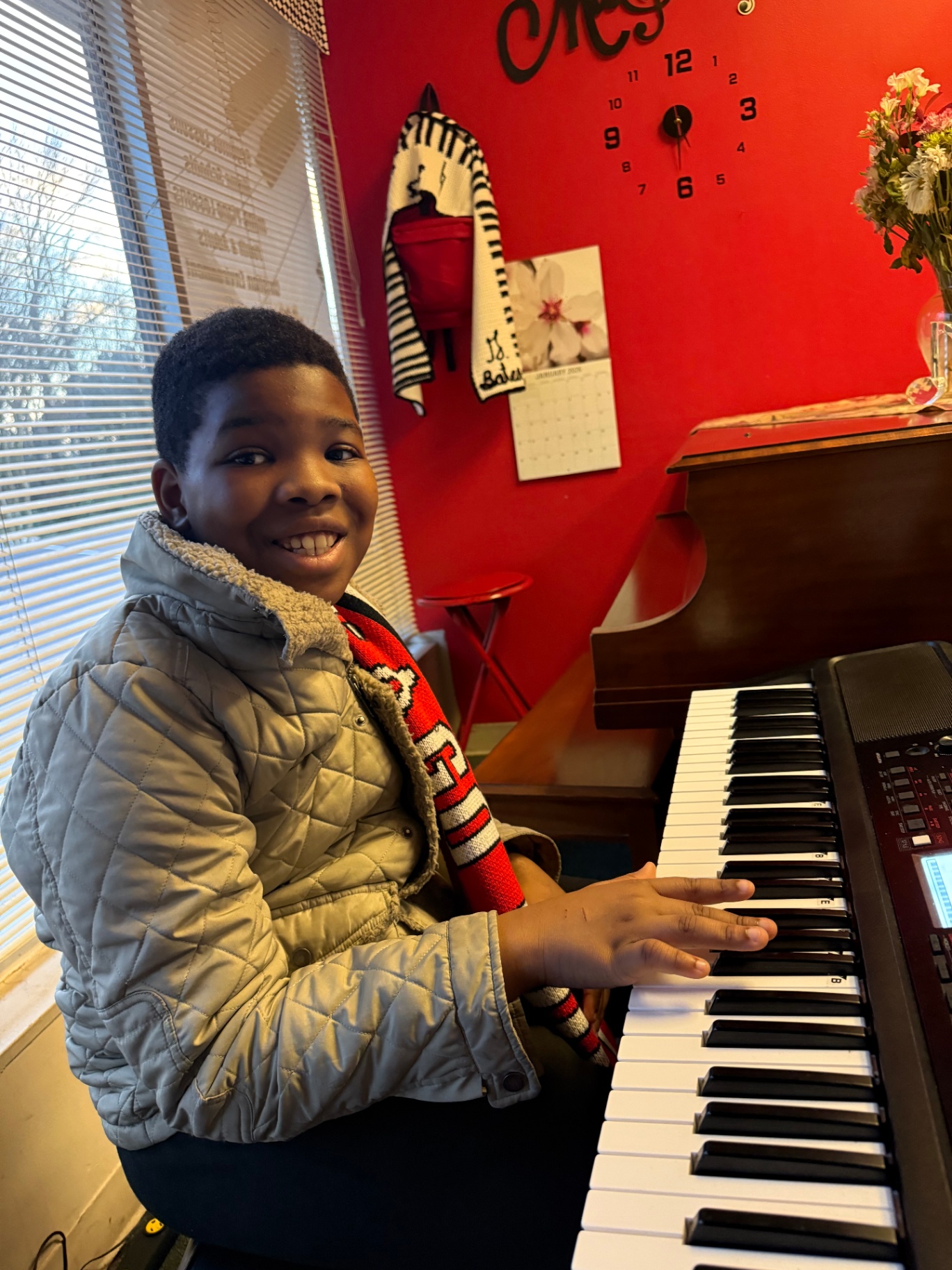
Starting at this age means your child builds muscle memory early. They develop a connection to music that lasts a lifetime. And honestly? They have fun doing it.
The Brain-Boosting Benefits You Need to Know
Piano lessons do more than teach your child to play "Twinkle, Twinkle, Little Star." They rewire the brain in powerful ways.
Memory gets stronger. Your child learns to remember sequences, patterns, and melodies. This carries over into schoolwork and daily life.
Language skills improve. Piano students develop better ability to identify changes in tone and pitch. One study showed these gains exceeded what children got from extra reading lessons!
Math becomes easier. Playing piano teaches fractions, counting, and patterns. Your child learns rhythm, which is basically math in motion.

Focus grows. Sitting at the piano builds concentration. Your child learns to block out distractions and stay on task.
Coordination develops. Reading music while moving fingers independently? That's serious hand-eye coordination work. This helps with writing, sports, and everyday tasks.
Confidence soars. Every song mastered is a win. Your child learns that practice leads to results. They see their own progress, and that builds self-esteem.
Beyond the Music: Emotional and Social Growth
Piano lessons give your child tools for life beyond the keyboard.
Music is a stress reliever. When your child feels overwhelmed, they have an outlet. They can sit at the piano and express emotions they don't have words for yet.
If you choose group lessons, your child learns teamwork. They see other kids learning the same songs. They encourage each other. They build friendships around music.
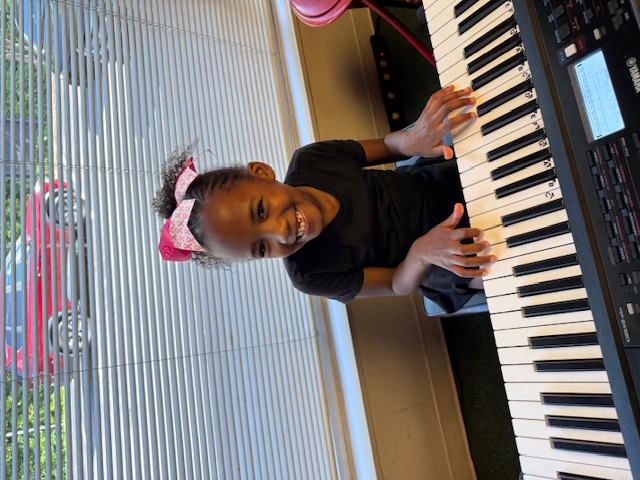
And here's something beautiful: children under 10 don't fear failure the way older learners do. They embrace challenges. They try new things without overthinking. This makes them faster learners than adults starting from scratch.
Is Your Child Ready? Look for These Signs
Age matters, but readiness matters more.
Watch for these signs that your five-year-old is ready to start:
They show interest. Do they ask about the piano? Do they try to pick out melodies on toy keyboards? That curiosity is gold.
They can follow simple instructions. Can they complete a two-step direction? "Put your finger here, then press this key." If yes, they're ready.
They can sit still for short periods. We're not talking 30 minutes here. Just 5-10 minutes of focused attention is enough to start.
They want to learn. This is the biggest one. If your child is excited: even a little bit: that enthusiasm will carry them through the early lessons.
Don't worry if your child doesn't check every box. A great teacher knows how to meet kids where they are.
Your Quick-Start Guide: 5 Steps to Begin
Ready to get your five-year-old started? Here's your simple roadmap.
Step 1: Get the Right Instrument
You don't need a grand piano on day one!
Start with a keyboard or digital piano. Look for one with:
Full-sized keys (not mini toy keys)
At least 61 keys
Touch-sensitive keys (they respond to how hard you press)
A basic keyboard works great for the first year. You can always upgrade later.
Step 2: Find the Right Teacher
This is huge. Not every piano teacher specializes in young children.
Look for someone who:
Has experience teaching five-year-olds
Uses fun, engaging methods
Keeps lessons short (15-20 minutes for beginners)
Makes practice feel like play
Communicates well with parents
At Piano Keys for Christ, LLC, we work with children starting at age 3. We understand how young minds learn. We keep lessons encouraging, patient, and joyful.
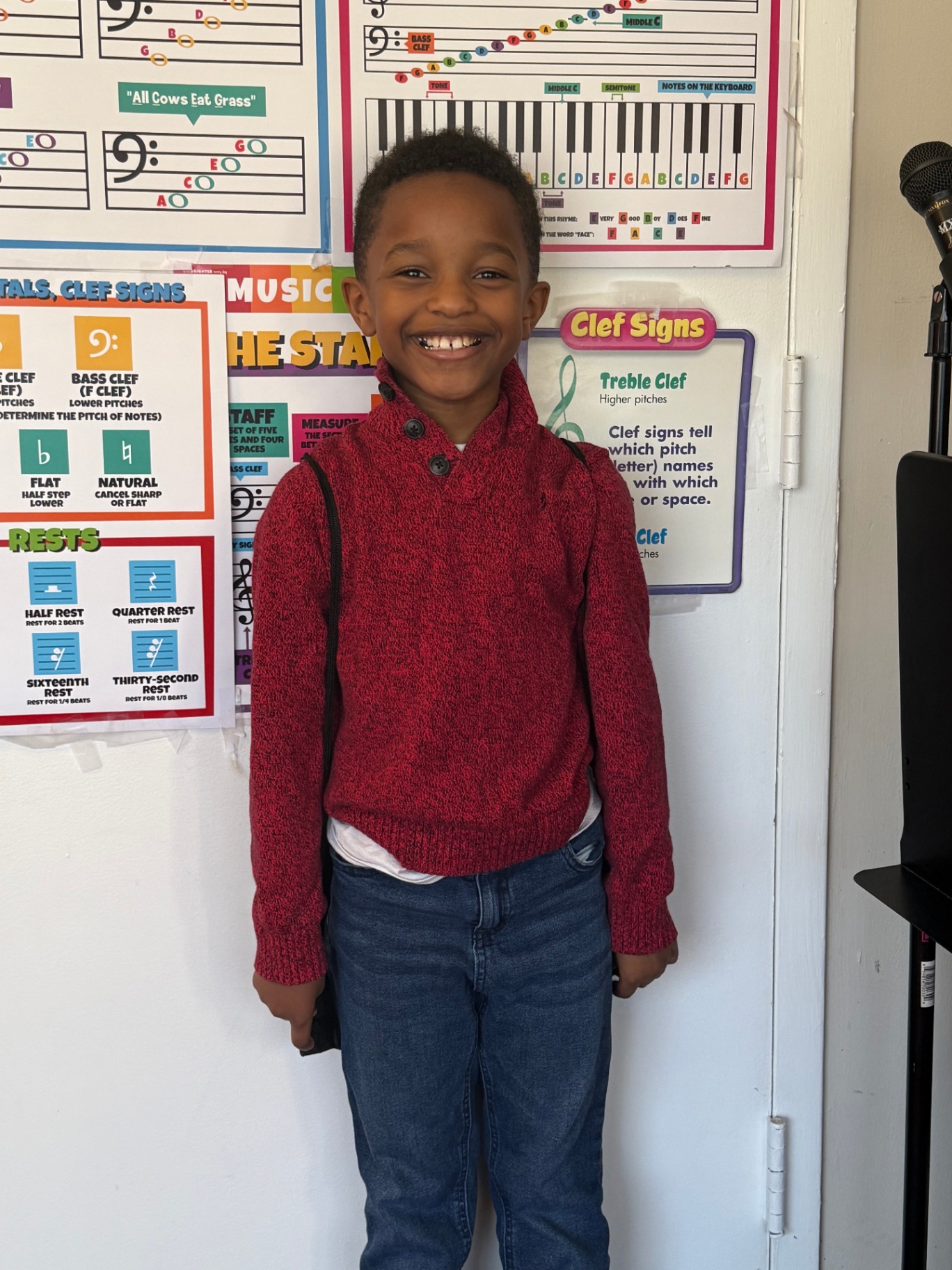
Step 3: Set Up a Practice Space
Create a dedicated spot for piano practice.
Make it inviting. Add a comfortable bench. Keep the area clutter-free. Put the piano where your child can access it easily: not tucked away in a corner.
Natural light helps. So does decorating the space with your child's favorite colors or music-themed posters.
The easier it is to sit down and play, the more your child will practice.
Step 4: Start with Short, Consistent Practice Sessions
Five minutes a day beats 30 minutes once a week.
Start small. Set a timer for 5 minutes. Make it a game. Use stickers or a practice chart to track progress.
As your child builds stamina, increase practice time gradually. But never force long sessions. That kills enthusiasm fast.
Make practice part of your daily routine: like brushing teeth or reading bedtime stories.
Step 5: Celebrate Every Win
Your child played three notes in a row? Celebrate!
They remembered to curve their fingers? High five!
They practiced without being reminded? Do a happy dance!
Positive reinforcement is everything at this age. Focus on effort, not perfection. Let your child know you're proud of their hard work.
Record videos of them playing. Share with grandparents. Display their music books proudly. Make them feel like the rockstar they are.
What to Expect in the First Few Months
Let's set realistic expectations.
The first few lessons focus on basics. Your child learns:
How to sit at the piano
Finger numbers (thumb is 1, pinkie is 5)
Note names
Simple rhythms
Hand position
They'll play simple melodies: usually one hand at a time. Think "Mary Had a Little Lamb" and "Hot Cross Buns."
Progress looks different for every child. Some zoom ahead. Others need more time. Both are perfectly normal!
Your teacher will adjust the pace based on your child's needs. Trust the process. Stay patient. And remember: this is a marathon, not a sprint.
Common Parent Questions Answered
"What if my child wants to quit after a few weeks?"
This happens! Stay encouraging. Talk about feelings. Sometimes kids just need a break or a new approach. A good teacher can help reignite interest with different songs or games.
"How much should we practice?"
At age 5, start with 5 minutes daily. Gradually increase to 10-15 minutes as your child's attention span grows.
"Do we need to read music right away?"
Not necessarily! Many teachers start with rote learning (learning by ear and imitation). Reading comes later, once your child is comfortable at the keyboard.
"What if we don't have a piano at home yet?"
Talk to your teacher! Many instructors can work with you on creative solutions, including in-studio practice time or borrowed instruments while you save for your own.
Ready to Start Your Child's Musical Journey?
Age 5 is not too young. It's the perfect time.
Your child's brain is ready. Their curiosity is peaked. And the benefits: cognitive, emotional, social: will last a lifetime.
You don't need fancy equipment or a music degree yourself. You just need:
A willing child
A simple keyboard
The right teacher
Consistency
Encouragement
That's it!
Piano Keys for Christ, LLC welcomes students starting at age 3. We offer both in-person and online lessons. We create a joyful, Christian environment where young children thrive.
Check out our testimonials to hear from other parents who started their kids at age 5. See our teachers who specialize in young beginners.
Ready to take the first step? Contact us today to schedule your child's first lesson.
Let's give your five-year-old the gift of music! 🎹
Comments