


5 Questions to Ask a Piano Teacher Before You Book Your First Lesson

Thanks for stopping by! Choosing a piano teacher is an important decision.
You want a teacher who knows how to teach. You want lessons that fit your goals. You also want a warm environment where you or your child can learn with confidence.
Search for a piano teacher near me, and you may see many options. How do you compare them?
Start with these five questions. Ask them before you book your first lesson. Use the answers to find the right fit for your family, your schedule, and your musical goals!
1. What Experience Do You Have Teaching Beginners?
A great pianist is not always a great teacher.
Playing piano requires skill. Teaching piano requires something more. Your instructor must explain ideas clearly. They must notice challenges. They must know how to help students move forward.
Ask about the teacher’s experience with:
Young children
Teenagers
Adult beginners
Returning students
Students who want to play worship music
Students with different learning styles
Private piano lessons
You can also ask:
“What does your first month of beginner piano lessons usually include?”
Listen for a clear answer. A thoughtful teacher may describe hand position, note names, rhythm, reading music, simple songs, and practice habits. They should explain the process in a way you understand.
Ask about the teacher’s background, too. Look for a combination of musical ability and teaching experience. A teacher should feel comfortable working with students at your level.
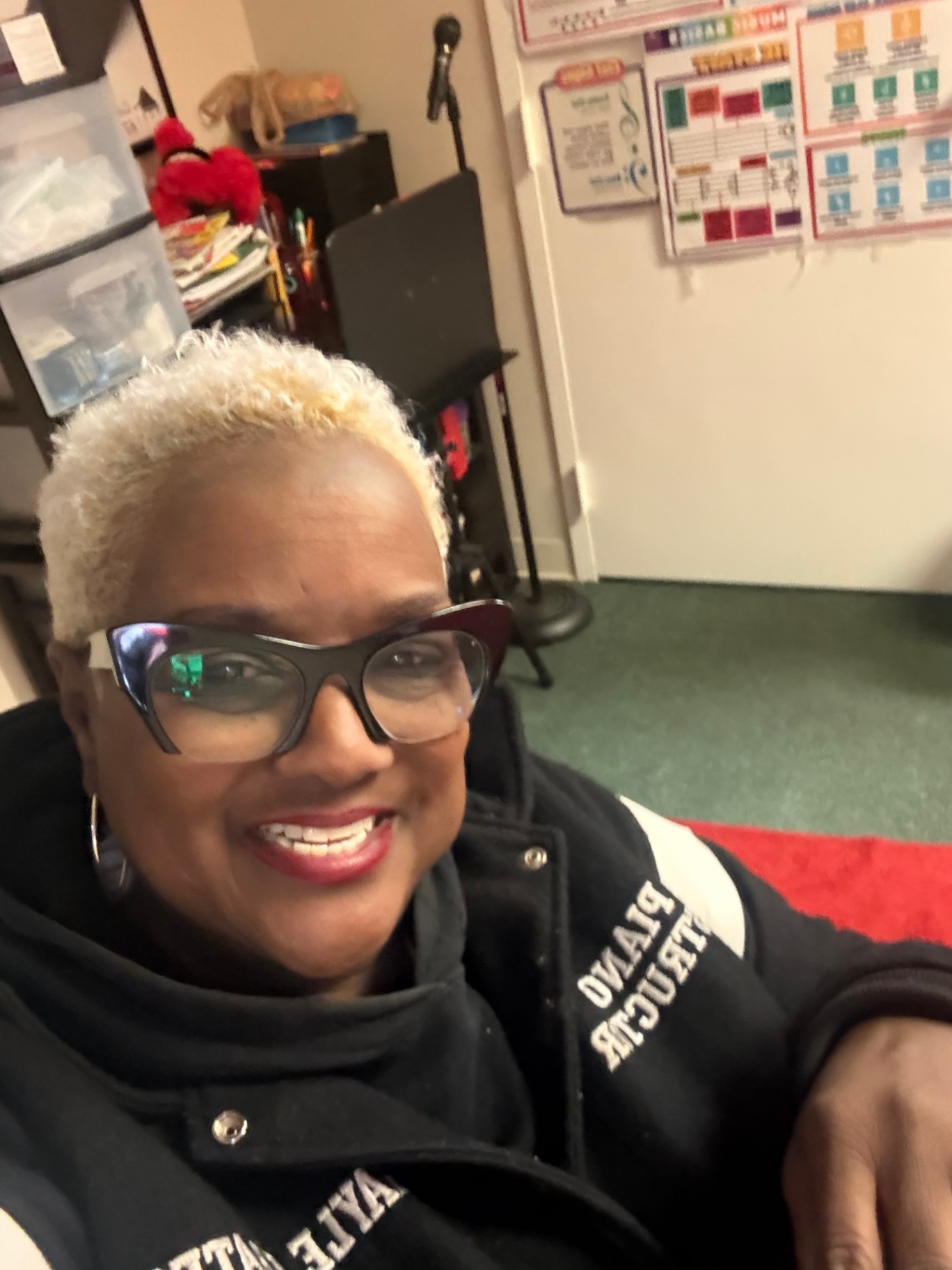
At Piano Keys for Christ, you can visit the Our Teachers page to learn more about the people who guide students. Our studio also holds a Best of Georgia 2023–2025 recognition for piano instruction.
That recognition does not replace your questions. It gives you another helpful detail as you compare instructors.
2. How Will You Personalize My Lessons?
Every student arrives with different goals.
One child may dream of playing movie songs. Another may want to play hymns at church. An adult beginner may want to return to music after many years. Someone else may want strong fundamentals and classical training.
Ask:
“How do you adjust lessons for each student?”
A good answer should include more than, “I follow a book.”
Books can help. They provide structure. But your teacher should also listen to your interests and adjust the lesson plan when needed.
Look for a teacher who asks about:
Your musical goals
Your favorite songs
Your age and experience
Your learning pace
Your available practice time
Your comfort level
Your faith and worship interests, if relevant
Personalized teaching does not mean skipping important skills. You still need rhythm, technique, music reading, and coordination. It means your instructor connects those skills to music you care about.
That connection matters. You are more likely to practice when you enjoy what you play. Your child is more likely to stay engaged when lessons feel meaningful.
Piano Keys for Christ offers a warm, faith-centered option for students and families who want Christian values included in their learning environment. We welcome conversations about your goals before lessons begin.
Visit the New Students page to learn more about getting started.
3. What Happens During a Typical Lesson?
Do not assume every piano lesson follows the same format.
Some teachers focus almost entirely on assigned pieces. Others balance songs with technique, theory, ear training, rhythm, and creative activities.
Ask:
“What does a typical lesson look like?”
You may also ask:
How long does each lesson last?
Do you teach one-on-one?
Do you offer group options?
How do you structure the first lesson?
Will I learn music theory?
Will I learn to read music?
Can I bring in songs I want to play?
Do you use games or technology with younger students?
Do you offer in-person, online, or both formats?
These questions help you understand the lesson experience before you commit.
For many beginners, private piano lessons offer useful one-on-one attention. The teacher can watch your hands closely. They can adjust the pace. They can give immediate feedback.
Group lessons may work well for students who enjoy learning with others. They can create energy and community.
There is no single perfect format. The best choice depends on your goals, age, personality, and schedule.
Ask the instructor to describe a real lesson. You should hear specific details. For example, the teacher may begin with a warm-up. Then you may review the previous assignment. Next, you may learn a new skill or song. The lesson may end with a clear practice plan.
A clear structure helps you know what to expect.

4. How Much Practice Should I Expect Between Lessons?
Practice supports progress. But practice should fit real life.
Ask:
“How much should I practice each week, and what should I do during that time?”
Avoid vague answers. “Practice more” does not give you a useful plan.
A helpful teacher explains:
How often to practice
How long each session should last
What to practice first
How to divide a difficult song
How to slow down when needed
How to handle mistakes
What to do when motivation drops
A beginner may start with short, focused sessions. Ten or fifteen minutes can provide a strong starting point for a young student. An adult may choose several short sessions during the week. The right routine depends on the student.
Consistency matters more than one long session.
Ask the teacher to set a small goal for the week. You may need to learn five notes. You may need to practice one hand at a time. You may need to count a rhythm out loud. Small goals make practice feel manageable.
Parents should ask one more question:
“How can I support practice without turning it into a daily battle?”
The teacher should offer practical ideas. Set a regular time. Keep the piano easy to access. Celebrate effort. Listen when your child wants to play. Avoid demanding perfection.
Adults need encouragement, too! A busy schedule does not disqualify you from learning piano. Tell your instructor how much time you can realistically give. Then build a plan you can follow.
Read our beginner piano lessons guide for more ideas about building skills step by step.
5. How Do You Track Progress and Handle Scheduling?
Progress should feel visible.
Ask:
“How will we know that I am improving?”
A teacher may track progress through lesson notes, assigned pieces, skill checklists, recordings, performances, or regular conversations with students and parents.
Ask what you can expect during the first few months. You may learn basic keyboard geography. You may read simple music. You may play with both hands. You may learn chords or worship songs.
Your progress will not always move in a straight line. Some weeks feel easy. Other weeks feel challenging. A good instructor helps you understand both experiences.
Ask:
How often do you review goals?
Will parents receive progress updates?
How do you adjust lessons when a student feels stuck?
Do students have recital or performance opportunities?
What happens when practice time changes?
Then clarify scheduling before you book.
Ask:
What lesson times are available?
How far in advance do I schedule?
What is the cancellation policy?
Are make-up lessons available?
What happens during holidays or school breaks?
Can I reschedule online?
How long can I expect my lesson time to remain available?
Scheduling affects consistency. The best piano instructor near me will not help if the lesson time never works for your life.
Piano Keys for Christ offers convenient online scheduling through vCita. You can use the website to take the next step and explore available options. Start through the registration page, or contact us if you have questions first.
Use the Answers to Find Your Best Fit
You do not need to find the most famous teacher.
You need to find the teacher who fits your needs.
Look for someone who:
Teaches your age group
Understands beginner students
Adapts lessons to your goals
Explains practice clearly
Tracks progress
Communicates with families
Offers scheduling that works
Creates a welcoming environment
Trust your instincts, too. Did the teacher listen? Did you feel comfortable asking questions? Did they explain the next steps?
Those details matter!
At Piano Keys for Christ, we invite parents, adults, and families to learn more before making a decision. Our faith-centered approach may be a good fit if you want music instruction in a warm Christian environment. You can also read our testimonies to hear from students and families.
Ready to Ask Your Questions?
Bring this list with you when you call, email, or meet a potential instructor.
Ask about experience. Ask about personalization. Ask about lesson format. Ask about practice. Ask about progress and scheduling.
Then choose the option that feels clear, supportive, and realistic for your life.
If you are searching for private piano lessons, a piano instructor near me, or welcoming beginner piano lessons, we would love to help you explore your next step.
Register online through our convenient vCita scheduling option. Or contact Piano Keys for Christ with your questions.
Your first lesson starts with one conversation. Reach out today! 🎹
Comments